European Championship 2026 in Katowice: why the World Cup race matters more than ever
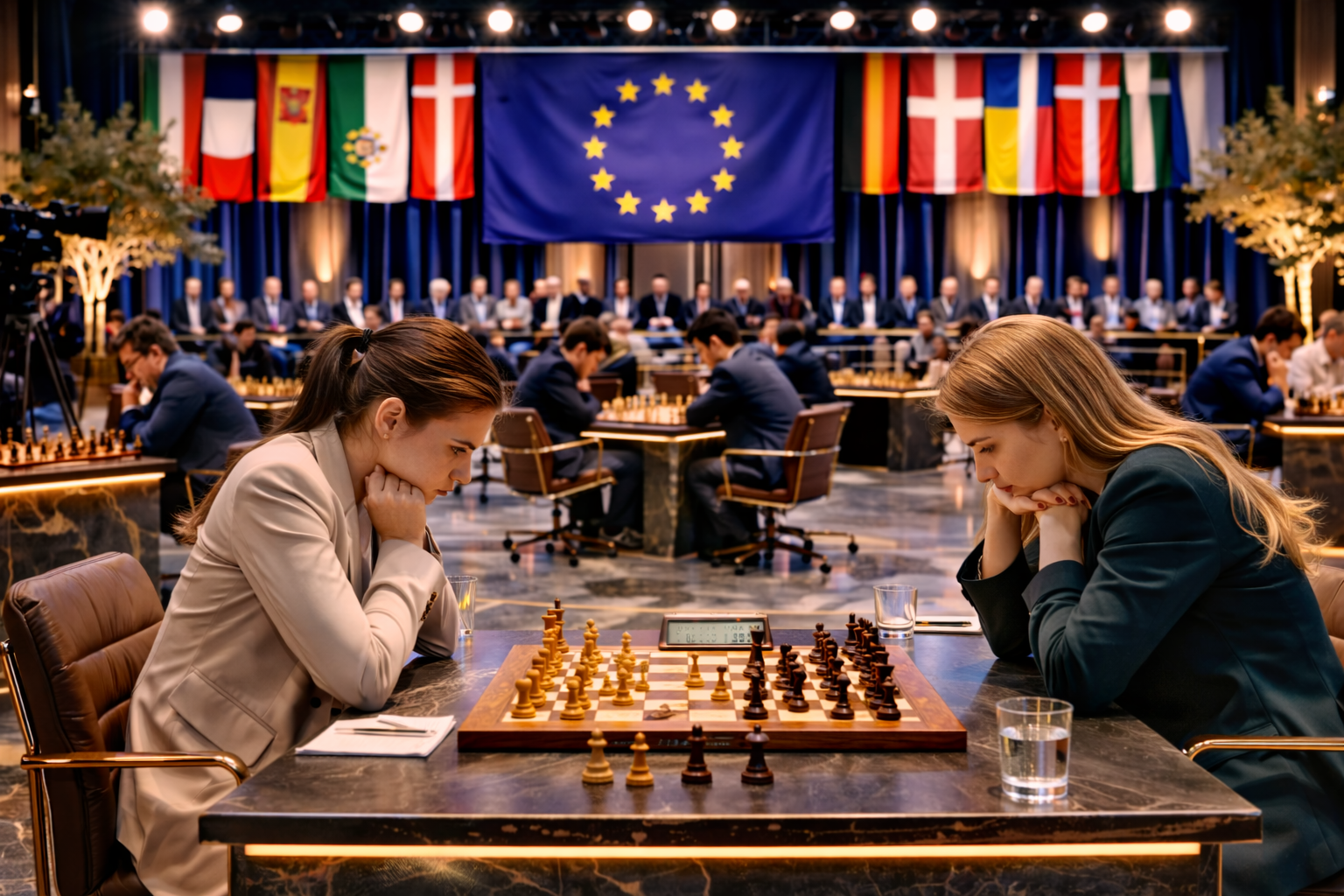
The European Individual Chess Championship 2026 is exactly the kind of tournament a modern chess blog should cover in depth. It has the scale of a major international event, the competitive chaos of a huge Swiss, and the long-term consequences of a qualification race that can reshape careers. In other words, this is not just a week of pairings and results. It is one of those tournaments where every half-point can change the story.
Why this championship feels different from an ordinary open event
Many open tournaments are fun to follow, but the European Championship has a different emotional profile.
The field is huge, the average strength is serious, and the tournament is full of players who arrive with very different goals. Some are chasing the title. Some are hunting World Cup qualification. Some are proving themselves against stronger opposition. Others are trying to translate national success into continental credibility.
That mixture produces a style of event where you cannot only watch board one and pretend you understand the whole story. In a massive Swiss, momentum can appear from the middle boards, hidden favorites can emerge late, and a single pairing can transform the top standings. This is why the event is so attractive for readers who enjoy practical chess rather than only famous names. It shows how tournament chess actually feels when hundreds of ambitious players share the same race.
Why World Cup qualification changes every strategic choice
The biggest reason this event deserves serious coverage is simple: qualification changes behavior.
A prestigious title already creates pressure, but qualification places for the FIDE World Cup add another layer of urgency. Players are not only trying to produce beautiful games or gain rating. They are balancing risk, energy, standings, and future opportunity at the same time.
That is why the decisive phase of this tournament is especially rich for analysis. A player who is slightly behind may need to sharpen the game, keep pieces on the board, and reject easy simplifications. A player on course for qualification may choose cleaner structures, lower-variance opening decisions, and endgames that preserve practical control. The best tournament decisions are rarely abstract engine decisions. They are choices shaped by context.
For search intent, this is the heart of the article. People do not only look for “European Chess Championship 2026.” They also search for phrases like “how World Cup qualification works,” “why the European Championship matters,” or “what happens in the decisive rounds of a major Swiss.” Those searches are more specific, easier to rank for, and better aligned with readers who want a real explanation instead of a thin recap.
What strong players actually do in the decisive rounds
When a tournament reaches its last important stretch, fans often focus too much on tactics and too little on management. In reality, the strongest performers in big Swiss events usually separate themselves through judgment.
They know when to push, when to neutralize, and when to keep a position alive without overcommitting. That is not as flashy as a sacrificial attack, but it is often what decides standings.
There are three patterns worth watching closely. First, notice which players keep scoring with White without taking reckless risks. Second, watch who handles difficult Black games with patience rather than panic. Third, pay attention to endgames, because that is where practical experience starts to punish emotional fatigue. In a long Swiss, the player who converts one extra technical edge often outperforms the player who spends every round chasing brilliance.
This is also where readers can learn something useful for their own over-the-board play. The lesson is not “play like a super-grandmaster.” The lesson is to understand how strong competitors adapt their style to a tournament situation. The more important the event becomes, the less useful it is to chase perfection and the more important it becomes to make decisions that fit the scoreboard.
How DeepBlunder can turn live tournament games into training
There is a great moment in every event when passive spectatorship should become active study. This is it.
If you are following the European Championship only through standings, you are seeing the surface. If you want to understand why players simplify, why some risks fail, and why certain practical decisions are stronger than they first appear, use DeepBlunder chess software to review critical positions and compare candidate moves. That way the tournament becomes more than content. It becomes a training resource you can use before your next league game, weekend Swiss, or online rapid session.
How to follow the final stretch like a better tournament player
The smartest way to follow the final rounds is to stop reading them as entertainment only. Instead, read them as a case study in tournament survival. Before each game, ask what the player likely needs from the standings. During the game, ask how risk is being managed. After the game, ask whether the result came from courage, impatience, or simple technical control.
This approach makes the championship useful even for readers who never expect to play at that level. Every club player understands the feeling of trying to win with White, survive with Black, or recover from a painful missed chance. The European Championship compresses those emotions into a high-level format that is easy to learn from if you look beyond the headlines.
Conclusion
The European Individual Chess Championship 2026 is more than a large open in Katowice. It is a living demonstration of how modern tournament chess works when prestige, qualification, and practical pressure all arrive at once.
Frequently Asked Questions
Why is the European Individual Chess Championship 2026 important?
It matters because the event combines a huge continental field, serious competitive prestige, and qualification value for the FIDE World Cup. That mix makes it one of the most meaningful open-format tournaments in the chess calendar.
How does World Cup qualification change the way players approach the event?
Qualification changes incentives. Some players can optimize for stability and efficient scoring, while others are forced to take more risks because a safe draw is not enough for their tournament goals.
What should club players watch during the final rounds of a big Swiss tournament?
Watch how strong players handle equal middlegames, difficult Black positions, and technical endings. Those practical decisions are often more useful for improvement than spectacular tactical wins.
From the same category
Keep reading
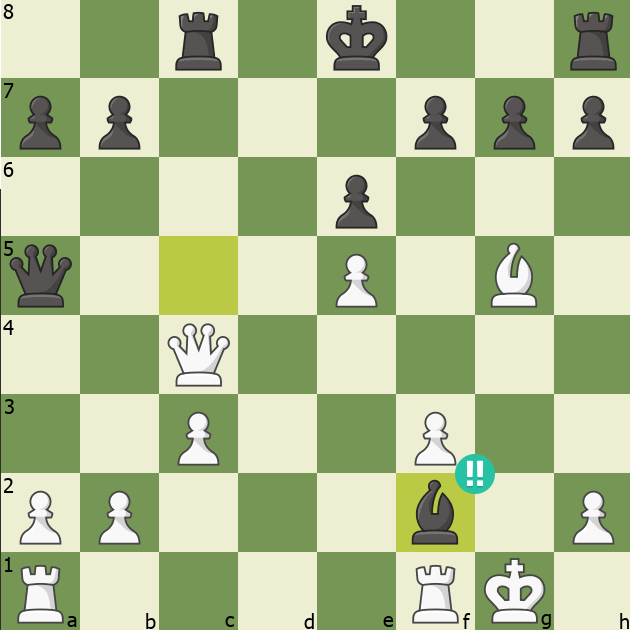
Brilliant Chess Move: Stunning Bishop Sacrifice Led to Checkmate
Most chess players have experienced it at least once. You spot a free pawn, win some material, and feel confident about your position—only to discover that your opponent had seen something much deeper.

Why Your Chess Accuracy Drops After Move 15
If your chess accuracy drops after move 15, the problem is not that you suddenly become a worse player. The problem is that the game has shifted from memory to understanding, and you have not trained that transition enough.
Why You Always Get in Time Trouble (And How Stockfish 18 Fixes It)
Every chess player knows the feeling. You navigate the opening perfectly. You transition into a solid middlegame. You build a completely fine, perhaps even slightly superior, position. And then, you glance at the clock. Your opponent has 15 minutes left. You have 42 seconds. Panic!