FIDE Candidates 2026 after Round 12: Sindarov leads, but the final sprint is still full of tension
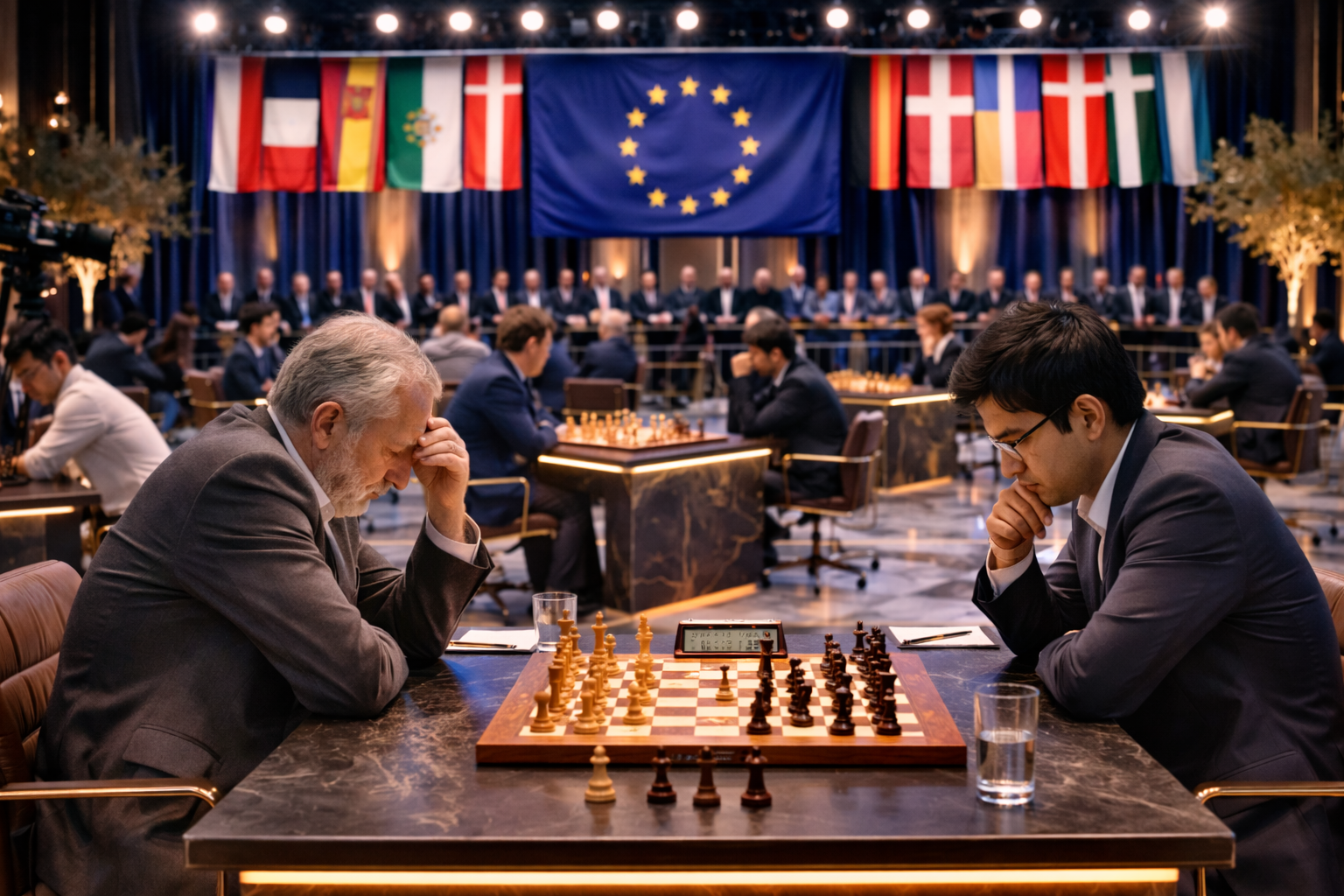
The FIDE Candidates 2026 has reached the part of the tournament that every serious chess fan waits for. The opening surprises are mostly behind us, the standings finally carry real weight, and every remaining move feels connected to the world championship.
With only two rounds left to play, the event is no longer about who looks dangerous in theory. It is about who can survive the pressure best.
Why a late lead matters, but never guarantees safety
When a player leads the Candidates late in the event, casual fans often assume the hardest part is over. In reality, the final rounds can be the most delicate of all.
Early in the tournament, ambition drives results. Late in the tournament, self-control becomes just as important as creativity.
A leader no longer needs to prove superiority in every game. The real task is to avoid the single mistake that reopens the race.
This is why final-round Candidates chess can look quieter than the opening phase while actually being more intense.
Every line is weighed not only for objective value but also for practical risk. Every exchange raises the question of whether simplification helps or hurts. Every draw offer exists inside a larger strategic map. The tournament does not become dull. It becomes compressed.
That is also why late tournament coverage should not be reduced to score updates. Readers want context. They want to know why the leader chose restraint, why a challenger failed to overpress, and how psychological momentum can survive even without a full point. Those explanations turn a recap into a genuinely useful article.
Why the chasing group still shapes the event
A late lead matters, but the Candidates is never only about the player in first place. The chasing group still defines the emotional atmosphere of the event. A rival who misses a win today may force complications tomorrow. A player who is no longer realistic for first can still become a spoiler, influence pairings, or create exactly the kind of imbalanced game that changes the leader’s strategy.
This is part of what makes the Candidates so different from ordinary elite tournaments. There is no comfort in the middle of the table. Even when a player is no longer the favorite, they remain strong enough to disturb the race. That means the final rounds are never as simple as “the leader needs a draw.” A safe result on paper may still require extremely accurate decisions at the board.
For readers, this is where the event becomes most interesting. You are not just asking who is leading. You are asking who still has practical winning chances, who is best positioned to create tension, and which player profiles tend to thrive when the air gets heavy. That is richer content and better editorial positioning.
Why so many draws are actually evidence of pressure
One of the weakest ways to read the Candidates is to see a draw-heavy round and assume nothing important happened. In truth, a tense draw can reveal more than a flashy win.
The closer the tournament gets to the finish, the more each player must balance ambition against survival. Leaders cannot be careless. Chasers cannot self-destruct. That conflict naturally produces games where scoreboard calm hides serious internal struggle.
For improving players, this is excellent material. The Candidates shows how elite players manage high-pressure equality. It highlights move-order discipline, endgame judgment, practical simplification, and the art of asking difficult questions without destroying your own position. Those are the skills most club players actually need, even if they are less glamorous than tactical fireworks.
How DeepBlunder software fits naturally into this phase of the tournament
At this point in the event, readers are thinking less about personalities and more about decisions.
If you want to do more than follow standings, use DeepBlunder software for chess analysis to review key positions from the Candidates, compare practical choices, and understand why elite players choose safety, pressure, or simplification in critical moments.
What to watch in Round 13 and the last two days
The smartest preview of Round 13 starts with incentives. Does the leader choose low-volatility openings, or is there still room for active counterplay? Do the chasers try to create asymmetry immediately, or do they trust their ability to outplay opponents later? Are players outside first place still willing to take risks, or do they drift toward neutral results? These are the questions that give meaning to the pairings.
The rest day before the final push also matters. It gives everyone time to prepare, but it also gives everyone time to think too much. Leaders can become overly cautious.
Chasers can become desperate. Coaches can push for clarity while nerves keep inventing problems. This is why the last rest day in a world championship cycle event often feels heavier than a normal day off.
Watch the opening choices for signs of safety versus ambition.
Look for early structural imbalances, because chasers often need richer positions.
Track whether the leader is simplifying on purpose or being pushed into passivity.
Use anchor links to official sources such as the official Candidates schedule and FIDE coverage like the Round 12 report.
Keep internal authority strong by linking back to the DeepBlunder tournament blog archive.
Conclusion
The FIDE Candidates 2026 has entered its most revealing phase. With only two rounds left, the event is now a test of nerve, restraint, and practical execution as much as raw calculation.
Frequently Asked Questions
Can Javokhir Sindarov still lose the FIDE Candidates 2026 from this position?
Yes. A late lead is extremely valuable, but the final rounds of the Candidates remain dangerous. One loss, one ambitious opening choice, or one successful push from a rival can still change the tournament very quickly.
Why do late Candidates rounds often produce so many draws?
Because the incentives are sharp. The leader usually wants controlled stability, while the chasers need practical winning chances without taking suicidal risks. That tension often creates accurate, hard-fought draws.
What should fans focus on in Rounds 13 and 14?
Focus on opening choices, the willingness to create imbalance, and how those choices connect to standings pressure. In the final rounds, strategy and psychology matter as much as tactical skill.
From the same category
Keep reading
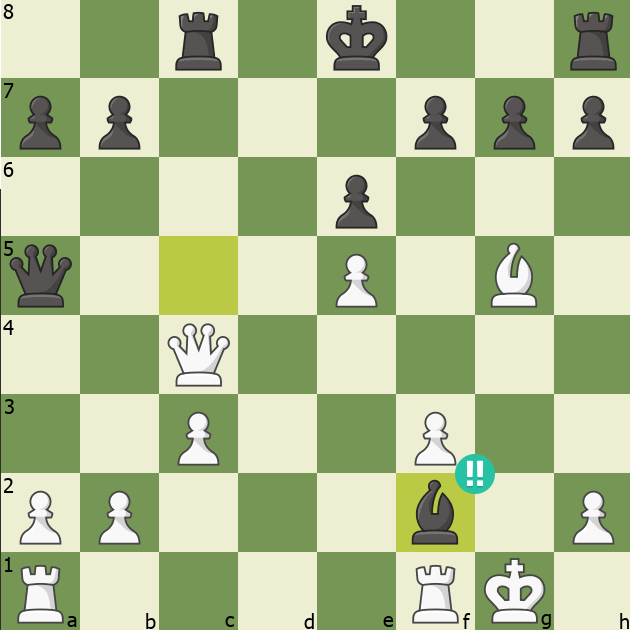
Brilliant Chess Move: Stunning Bishop Sacrifice Led to Checkmate
Most chess players have experienced it at least once. You spot a free pawn, win some material, and feel confident about your position—only to discover that your opponent had seen something much deeper.

Why Your Chess Accuracy Drops After Move 15
If your chess accuracy drops after move 15, the problem is not that you suddenly become a worse player. The problem is that the game has shifted from memory to understanding, and you have not trained that transition enough.

Why You Always Get in Time Trouble (And How Stockfish 18 Fixes It)
Every chess player knows the feeling. You navigate the opening perfectly. You transition into a solid middlegame. You build a completely fine, perhaps even slightly superior, position. And then, you glance at the clock. Your opponent has 15 minutes left. You have 42 seconds. Panic!